2026 Professional Development Day
Welcome Back and Welcome Aboard, WKU Team!
One of the most notable annual faculty gatherings, Professional Development Day (PDD), was held on June 11, 2026. Bringing faculty members together, the day offered an opportunity to reflect on the past academic year, celebrate collective accomplishments, and jointly chart future directions.
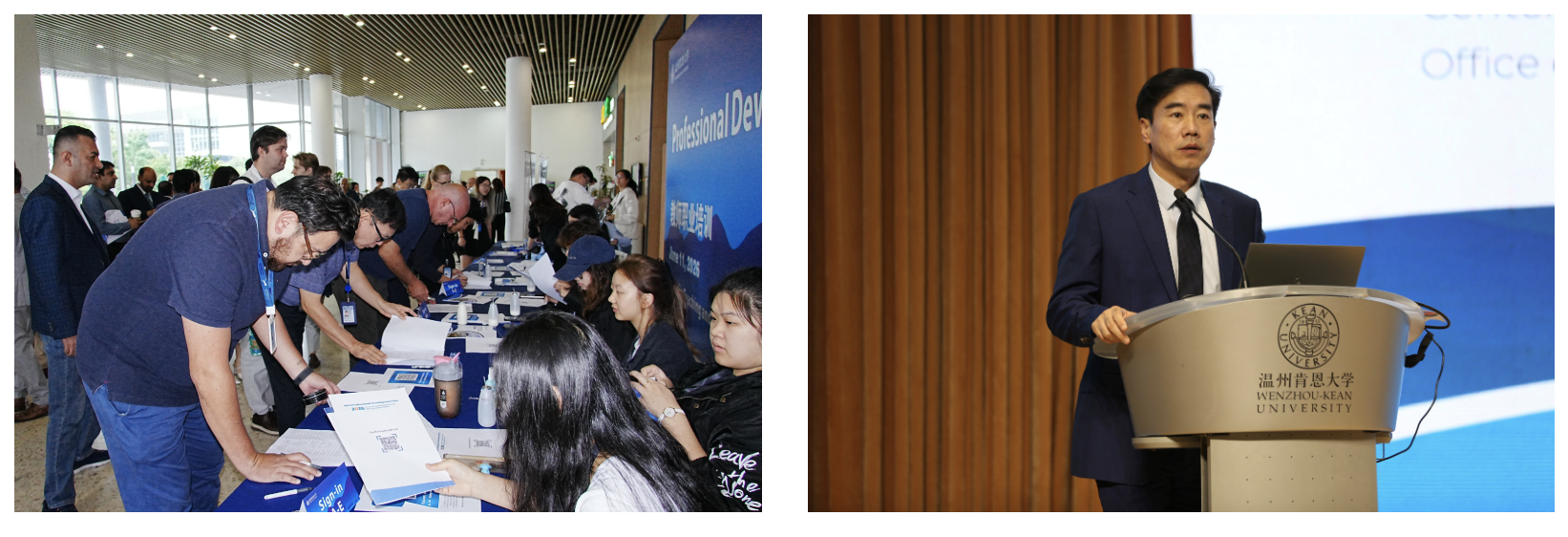
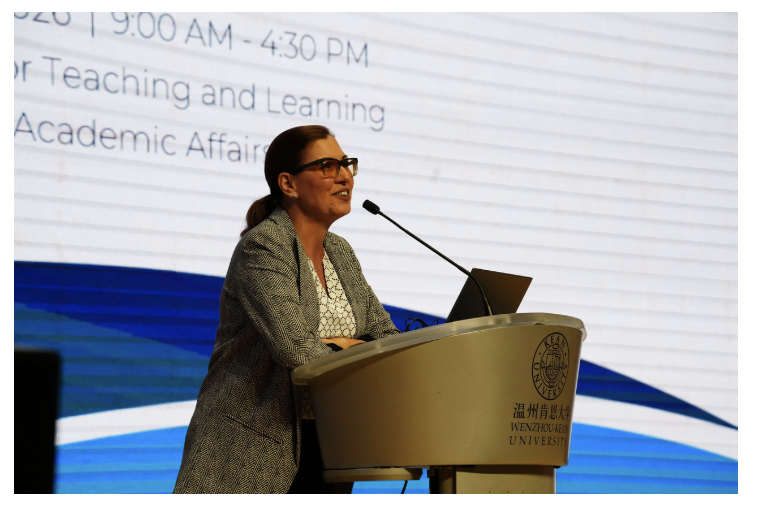
Dr. Felice Vazquez, Chancellor for International Campuses, and Dr. David Birdsell, Provost and Senior Vice President for Academic Affairs at Kean University, were in attendance, strengthening the friendly ties and collaborative partnership between the two universities.
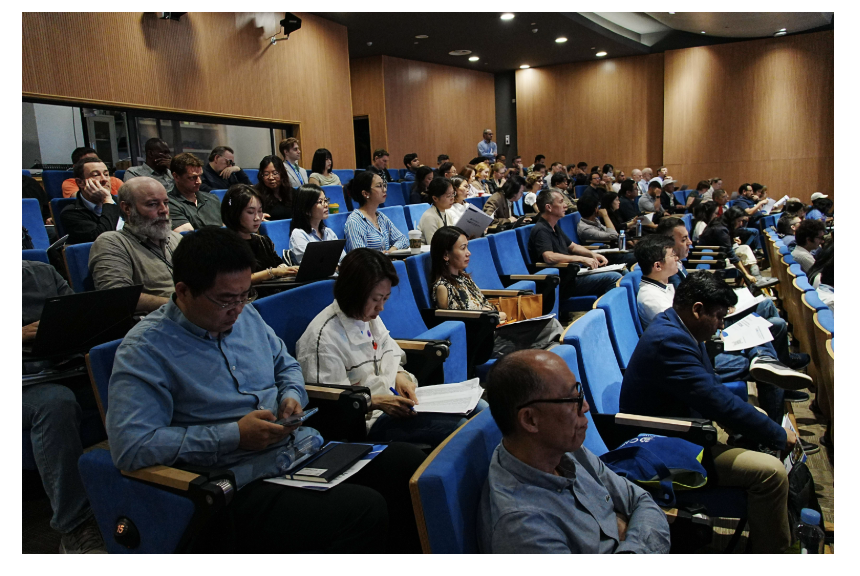
The program featured two core components: a plenary session and a series of training and sharing workshops. Distinguished external experts were also invited to share professional perspectives and exchange cutting-edge innovative practices. Attracting around 230 faculty and staff members, the event achieved its highest participation to date.
Faculty from across the university engaged in vibrant discussions on pedagogical practices and reflected on their academic development journeys over the past year. These peer-to-peer exchanges foster cross-institutional collaboration, driving sustained enhancements to teaching quality and research excellence at Wenzhou-Kean University (WKU) .
Plenary Sessions
At the opening ceremony, Dr. Felice Vazquez, Chancellor for International Campuses, delivered a keynote address. She underscored the significance of faculty professional development in advancing teaching excellence, while acknowledging the robust partnership between Kean University and WKU. Her opening remarks established an encouraging tone for the day‑long program and encouraged faculty to participate actively in substantive peer exchanges.
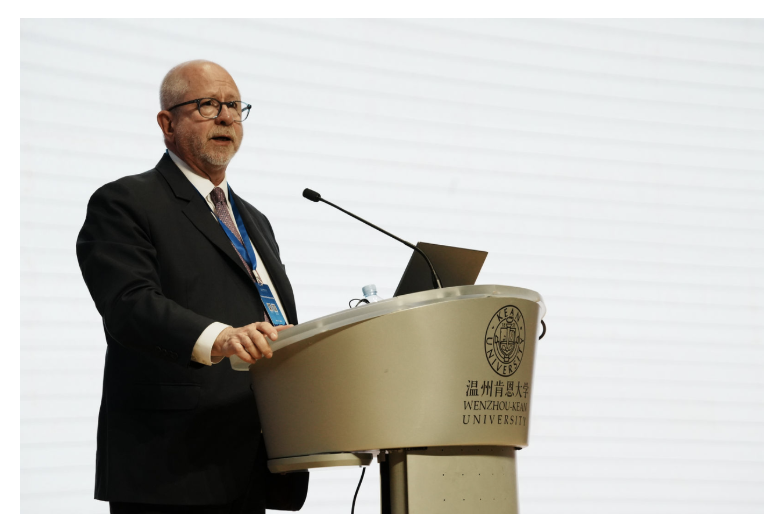
Dr. David Birdsell, Provost and Senior Vice President at Kean University, delivered a keynote address titled " Faculty Reappointment Standards and Process." He outlined key evaluation criteria, offered practical guidance for faculty success, and reflected on the evolving expectations for faculty roles.
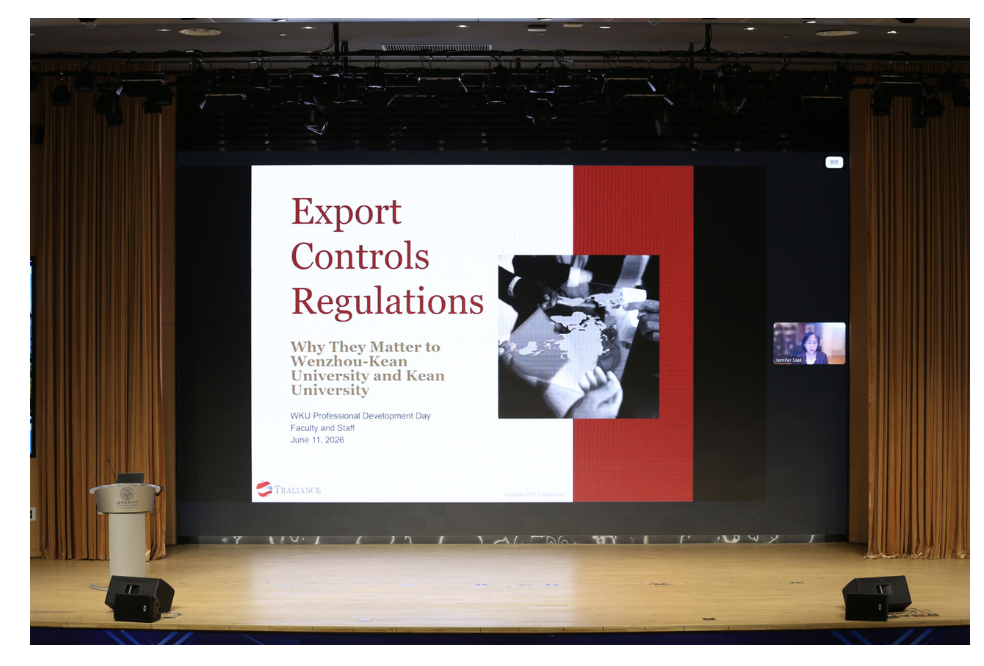
Dr. Jennifer Saak delivered a training session titled " U.S. Export Control Regulations." She provided an overview of the institutional impact of federal export control policies, clarified core regulatory frameworks governing university research activities, and illustrated practical compliance standards for daily academic operations.
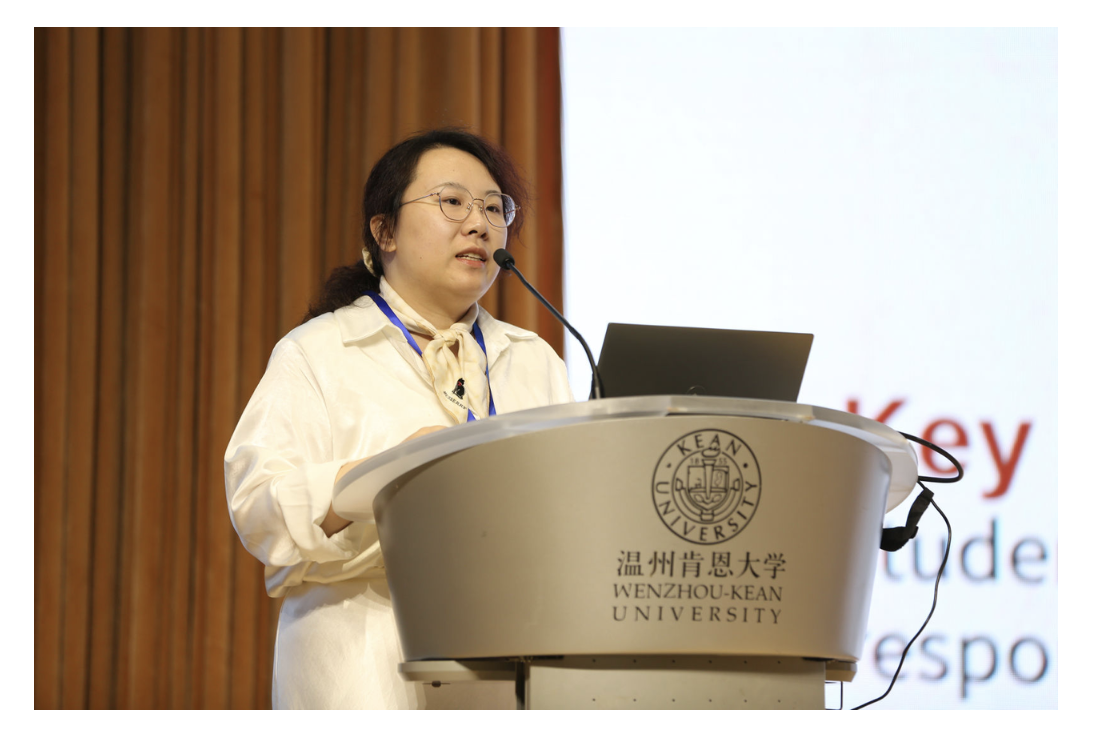
Ning Wu delivered a training session entitled "Campus Gatekeeper" Training. She explained the educator roles of university faculty and staff, elaborated on their duties in offering timely student support and basic guidance, and highlighted essential competencies for handling routine and emergent student-related situations.
Jing Huang led an informative session titled " Introduction to WKUBIT Functions and Reporting Procedures." She provided an overview of WKU BIT's core operational responsibilities, shared typical reportable campus incidents, and walked participants through standardized, step-by-step reporting protocols.
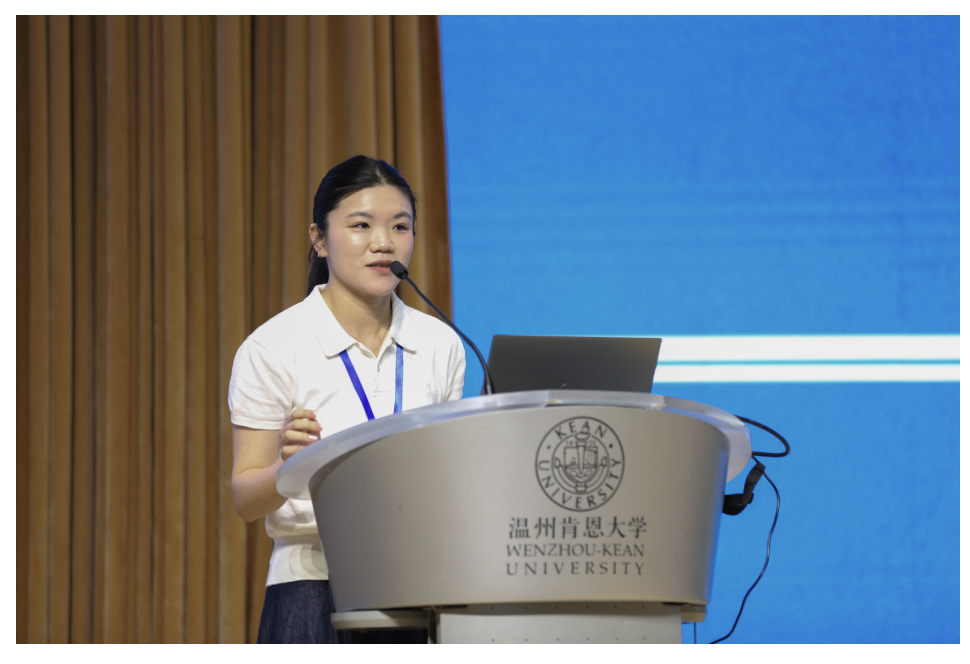
Parallel Sessions
This year, we were pleased to host three guest professors from Xi’an Jiaotong-Liverpool University, who brought in-depth perspectives on AI-enabled education and student-centered course design.
Dr. Xinrong Xue from Xi'an Jiaotong-Liverpool University explored how AI reshapes instructors' instructional design processes and decisions. She presented research insights into human-AI collaborative teaching design and shared key principles for developing instructors' instructional capabilities and AI literacy.
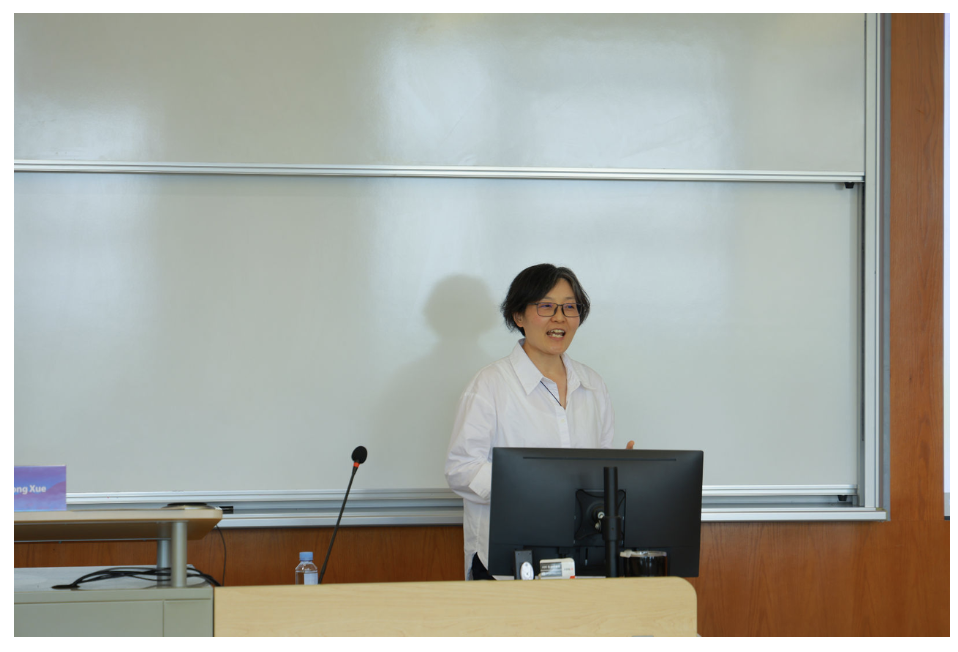
Angela Xia explored AI-empowered teaching beyond basic efficiency tools. Adopting the SAMR model, she examined how AI can transform instructional task design, student engagement, and assessment to create innovative learning experiences.
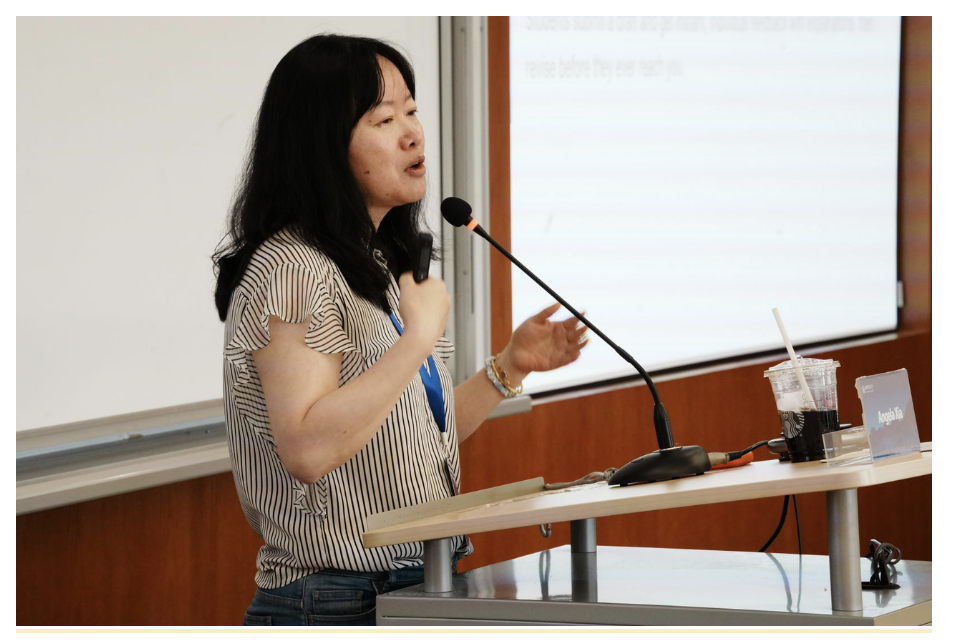
Dr. Rong Wang explored student-centered course design based on a transparent pedagogical framework. She shared practical, multidimensional assessment strategies and classroom assessment techniques to clarify learning expectations, enhance student engagement, and improve teaching and learning outcomes.
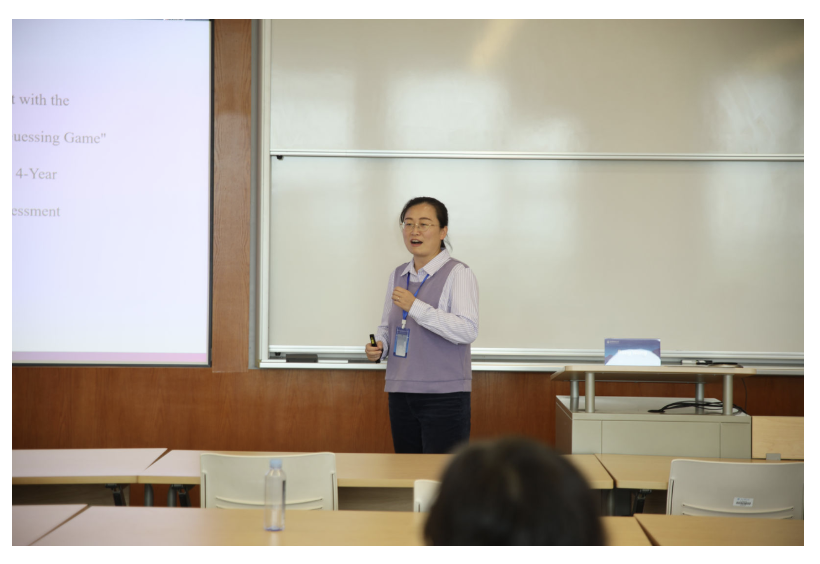
We’re also thrilled to welcome two faculty members from CTE at Kean University to the event for the first time: Melissa Libbey and Chris Friend. They’ll be sharing their hands-on classroom experience and creative teaching practices with all of our WKU faculty.
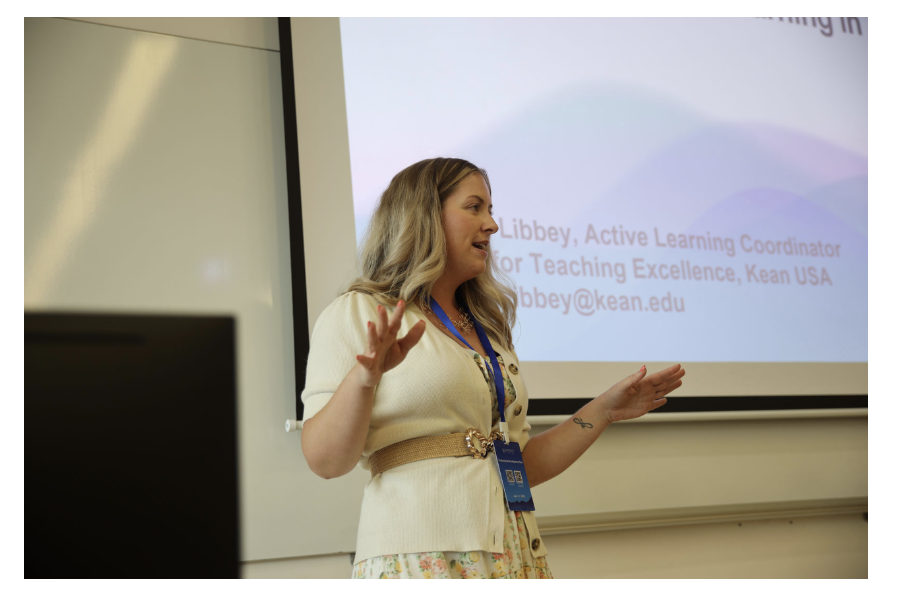
Melissa Libbey led an interactive workshop on active and student-centered instructional design. Featuring hands-on activities and adaptable teaching templates, the session illustrated how playfulness and gamification can be integrated into regular coursework to boost student participation, stimulate disciplinary thinking, and create immersive, meaningful learning experiences across diverse disciplines.
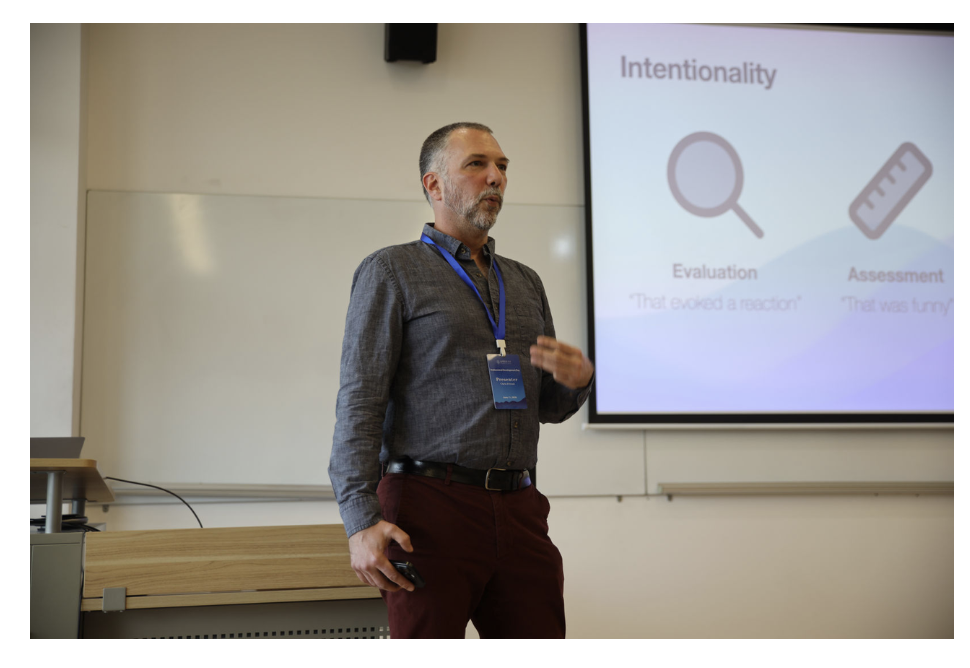
Dr. Chris Friend reconsidered traditional grading mechanisms in modern education. He explored innovative alternative assessment and ungrading practices to eliminate academic tension caused by GPA-oriented evaluation, centering true learning, optimizing teacher-student relationships, and building collaborative classroom partnerships.
Covering topics from pedagogical practice to research management and administrative support, the parallel sessions were grouped into four core thematic tracks:
Topic 1: AI Integration in Teaching and Research
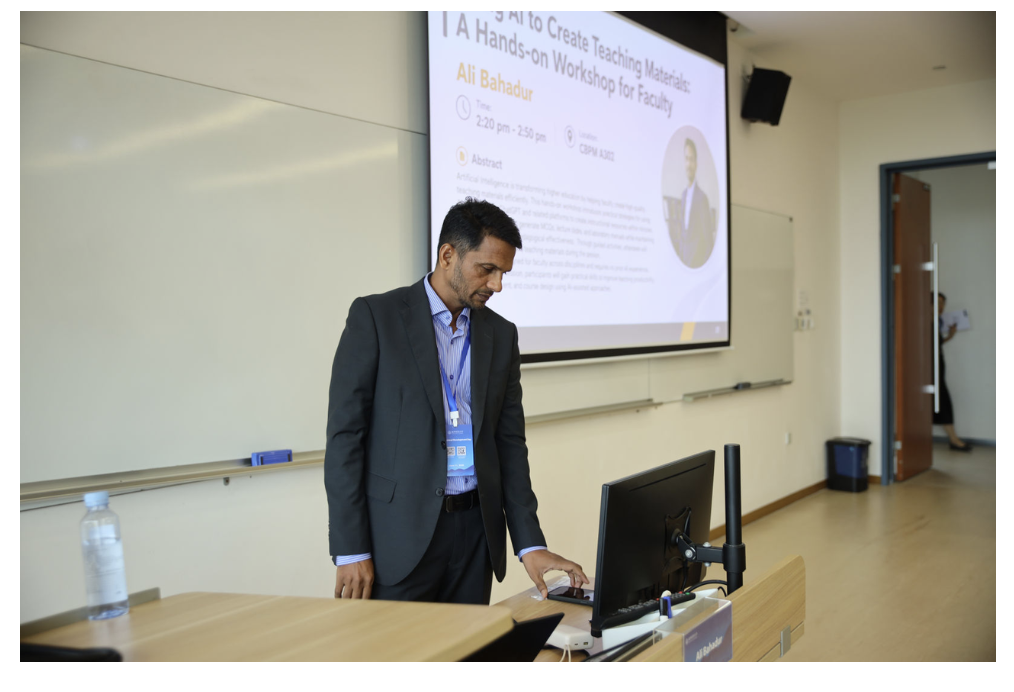
Dr. Ali Bahadur from the College of Science, Mathematics, and Technology led a hands-on workshop focused on AI-assisted development of teaching materials. Catering to faculty with no prior AI experience, the session demonstrated practical applications of mainstream AI tools to efficiently design quizzes, lecture slides, and lab manuals, empowering educators to boost teaching efficiency while upholding academic integrity.
Logan Richard Butterfield from the College of Liberal Arts redefined human writing practices amid the evolution of AI technology. He advocated embracing AI as a collaborative thinking partner rather than a threat. He shared targeted generative strategies to prioritize human-centric literacy skills, such as critical thinking, presence, and academic accountability, in modern writing instruction.

Dr. Jungbin Kim from the College of Science, Mathematics, and Technology shared a practical framework for integrating AI into scientific research. Tailored for non-computational researchers, the session illustrated AI applications for data classification, data processing, and evidence-based figure generation, offering actionable strategies to reduce barriers to AI adoption and enhance research rigor and interpretability.
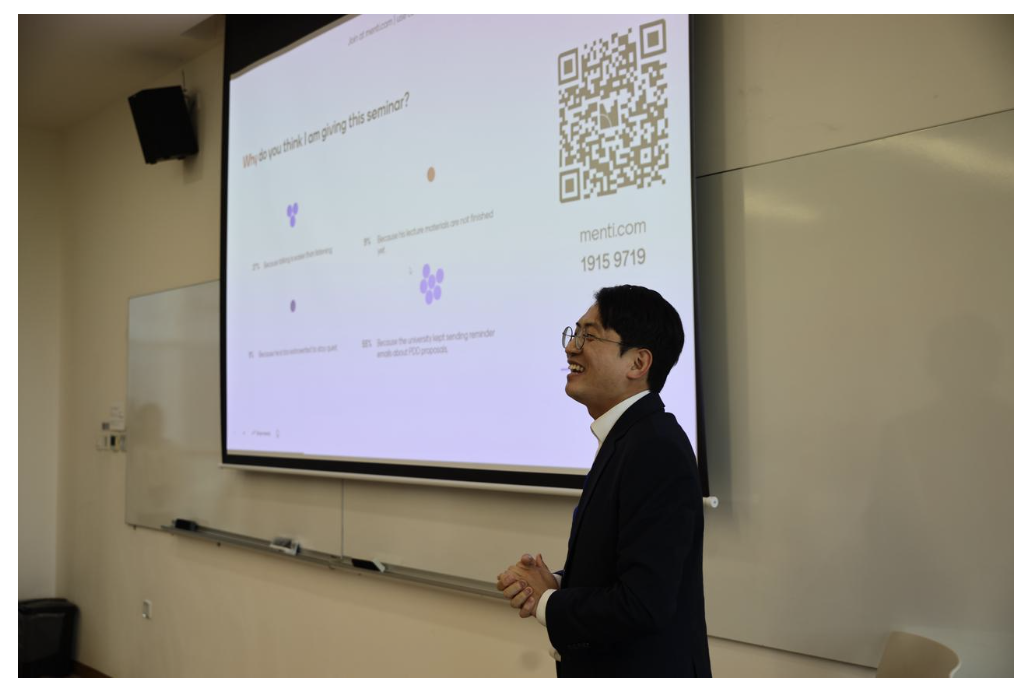
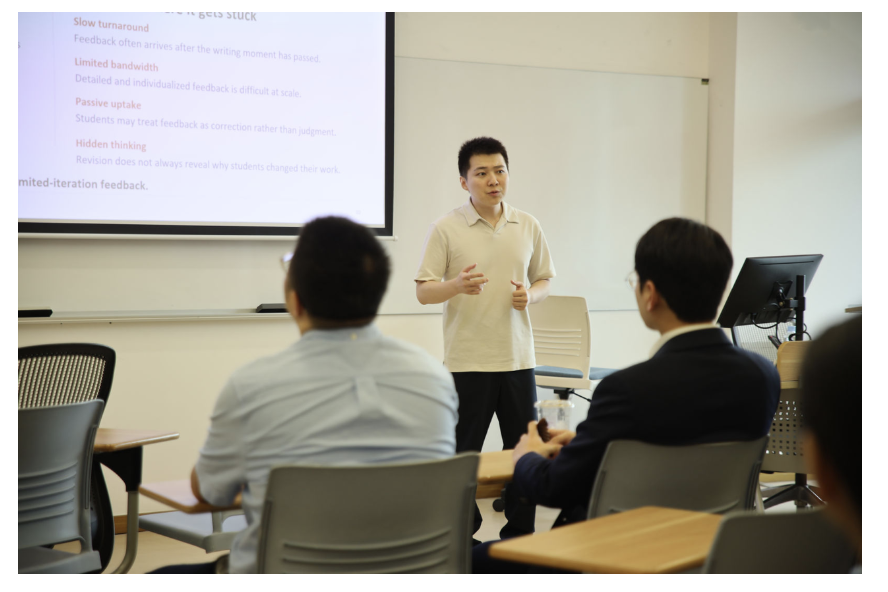
Dr. Shaoshuang Wen from the College of Liberal Arts explored responsible applications of GenAI in social science teaching. Based on empirical classroom studies, he emphasized the significance of instructor-mediated AI feedback. He presented research-informed practices and prompt-training guidance to balance AI-assisted teaching efficiency with disciplinary standards and students' epistemic agency.
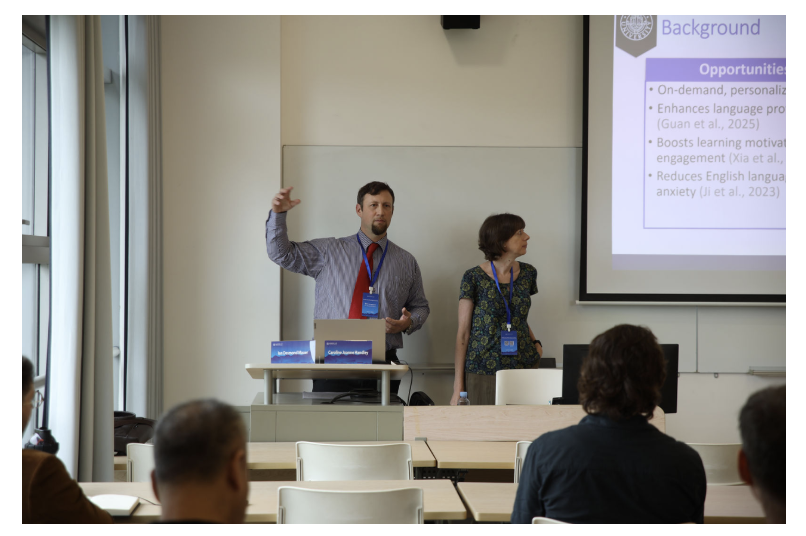
Ian Desmond Mauer and Dr. Caroline Joanne Handley from the College of Liberal Arts presented survey findings on first-year students' use of AI in academic English courses. Their study investigated undergraduates' varied AI-application behaviors, particularly excessive reliance on AI translation, and discussed the potential impacts on students' core language-skill development and the overall learning outcomes of the university's LEAP program.
Topic 2: Pedagogical Innovation and Assessment
Mark Richard Alexander-Warne from the College of Liberal Arts shared practical digital assessment workflows to strengthen the integrity of online exams. He demonstrated the combined use of Respondus LockDown Browser and Canvas randomized question banks to mitigate AI-enabled cheating and collusion, while outlining sustainable digital assessment best practices that balance academic fairness, operational efficiency, and environmental benefits.
Dr. Marcella Caprario from the College of Education showcased metaverse-powered tools to advance Collaborative Online International Learning. Combining theoretical introduction with hands-on experience, she shared a practical cross-border COIL project that connects WKU students with overseas peers and guides faculty in designing and implementing immersive, low-cost intercultural exchange activities in their own courses.
Topic 3: Faculty Career and Research Administration
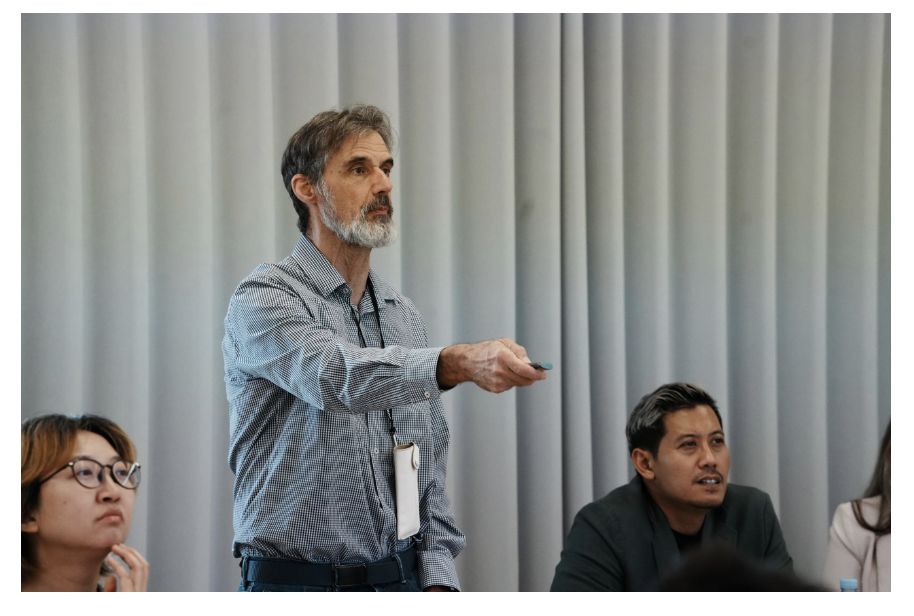
Dr. Saheed Adewale Adebayo from the College of Education delivered an insightful session on strategic academic publishing. Focusing on highly competitive Q1 top-tier journals, he elaborated on rigorous publication standards and effective publishing strategies to help faculty meet institutional research KPIs and elevate their overall scholarly influence.
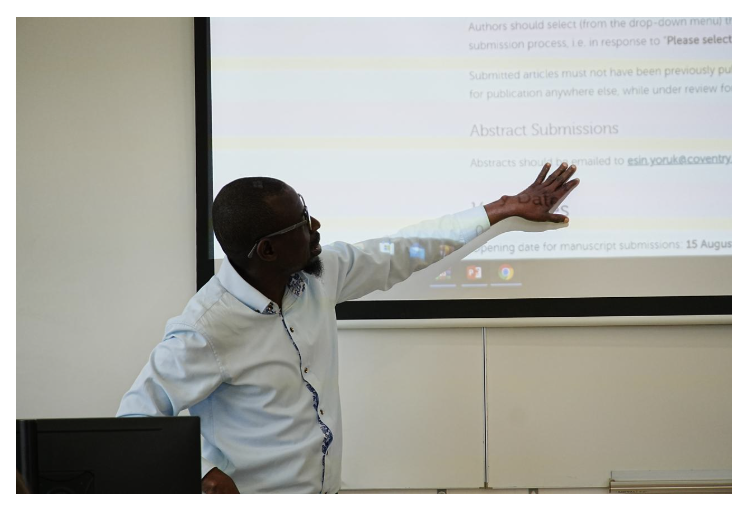
Dr. George Chang from the College of Business and Public Management delivered targeted guidance on compiling competitive reappointment and promotion dossiers for junior faculty. He outlined a structured framework for documenting teaching, scholarship, and service achievements, addressed common pitfalls in compilation, and shared practical tips for aligning application materials with institutional evaluation criteria.
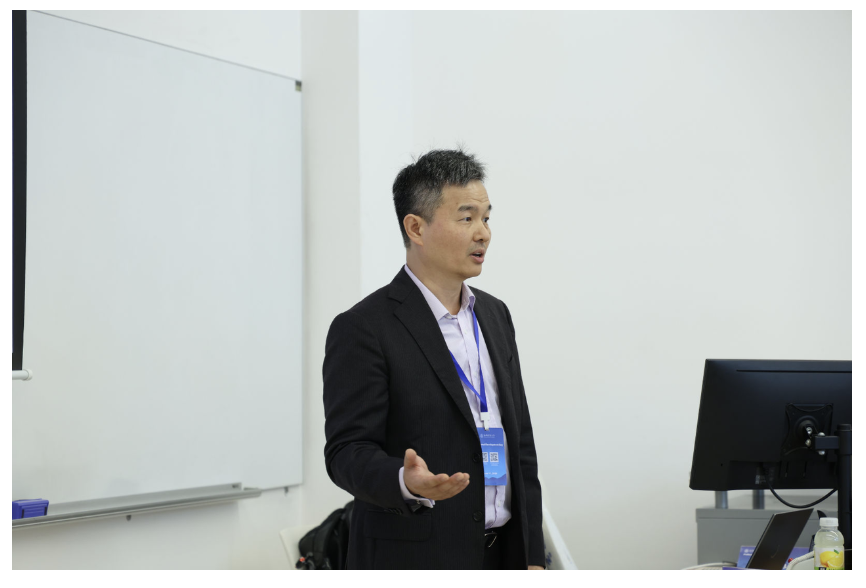
Shiyao Jiang from the Office of Finance delivered a concise lecture on WKU’s basic financial reimbursement procedures. Taking faculty academic travel benefits as a practical example, she elaborated on the prior approval, document preparation, and online system submission steps, while summarizing key reminders and common FAQs to help faculty standardize reimbursement processes and avoid routine errors.
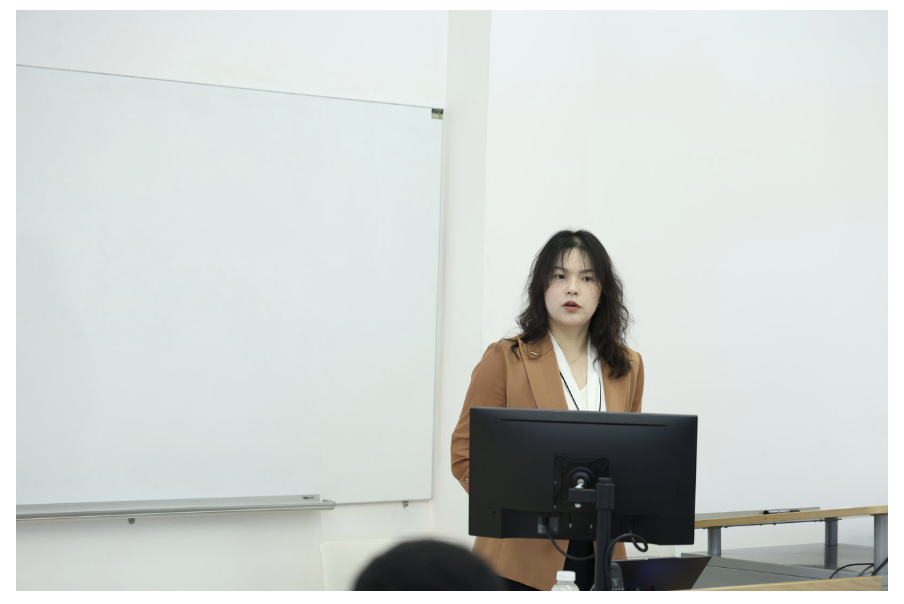
Jiajun Bao delivered a practical overview of research fund management at WKU. The session walked participants through the full lifecycle of grant administration, covering budget planning, compliance requirements, fund spending, and reimbursement processes.
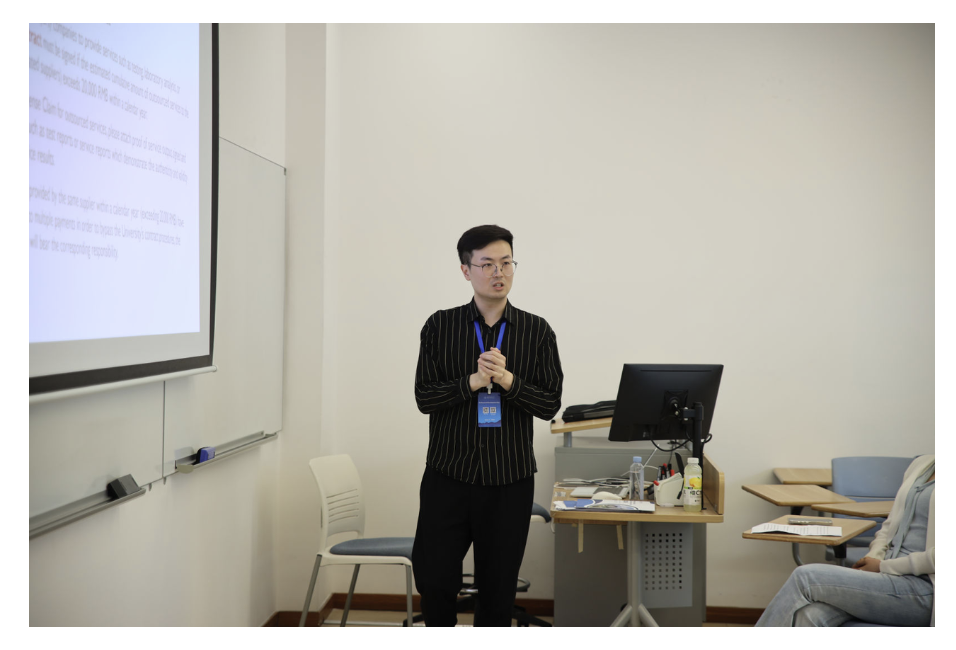
Topic 4: Cross-Cultural Teaching and Academic Integrity
Dr. Elizabeth Sugar Martinez from the College of Liberal Arts explored culturally responsive teaching practices in multicultural classrooms. Grounded in existing research, her session highlighted how recognizing students' diverse cultural backgrounds and academic mindsets helps boost student engagement and academic performance, while addressing common cross-cultural instructional gaps between international faculty and Chinese students.
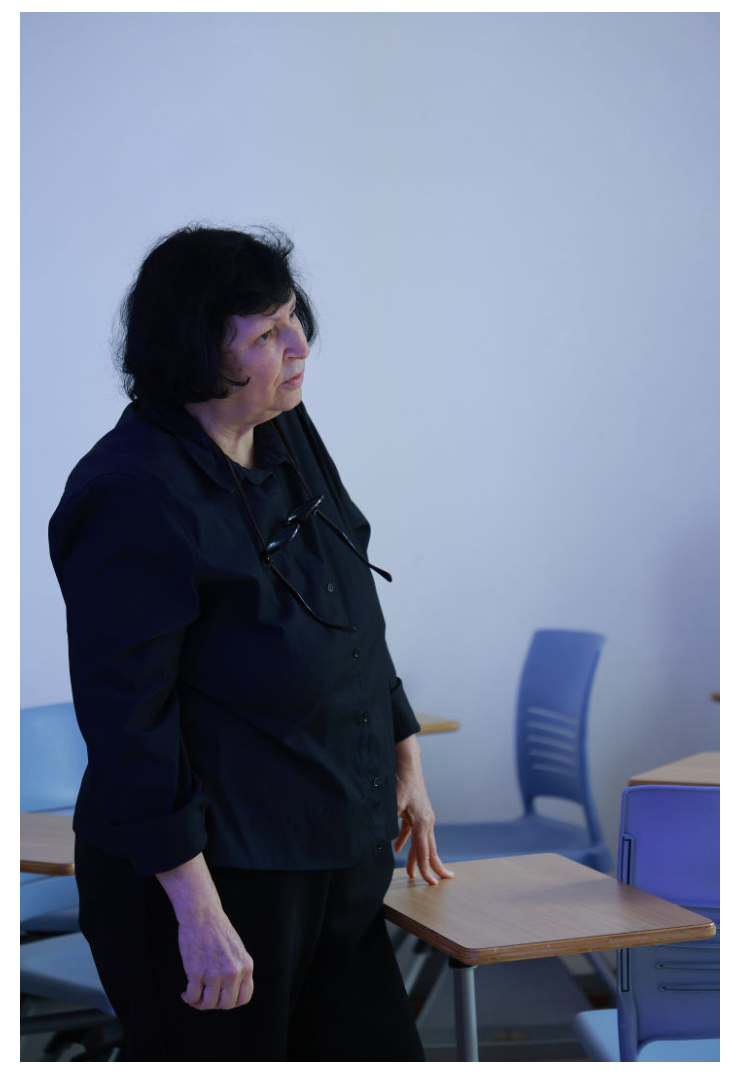
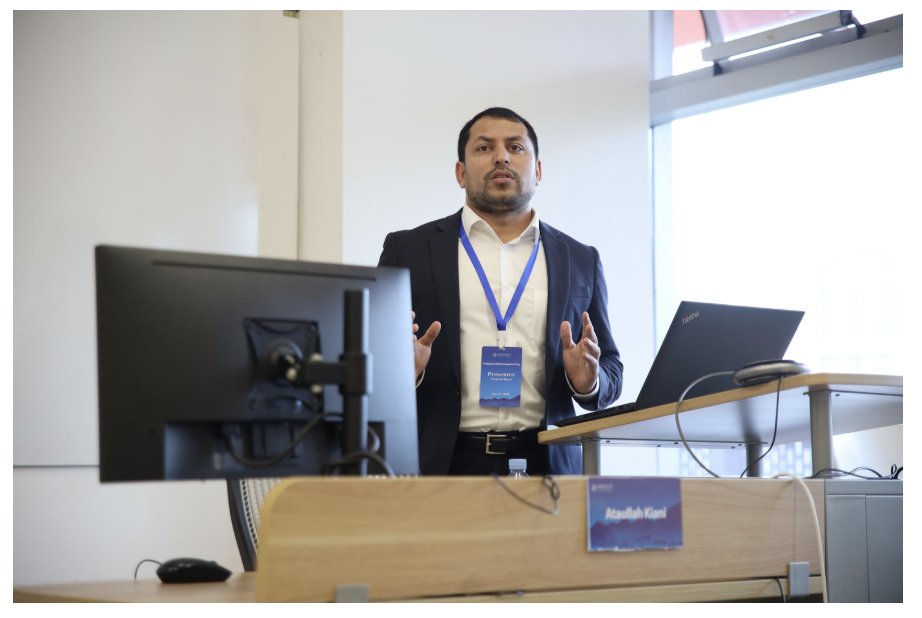
Dr. Ataullah Kiani from the College of Business and Public Management examined cross-cultural teaching adaptation rooted in traditional Chinese cultural philosophies. Through scenario-based discussions, he illustrated how faculty can achieve balanced and context-sensitive pedagogical adaptation, maintain academic standards and professional identity, and build inclusive, culturally responsive classroom environments in Sino-foreign educational settings.
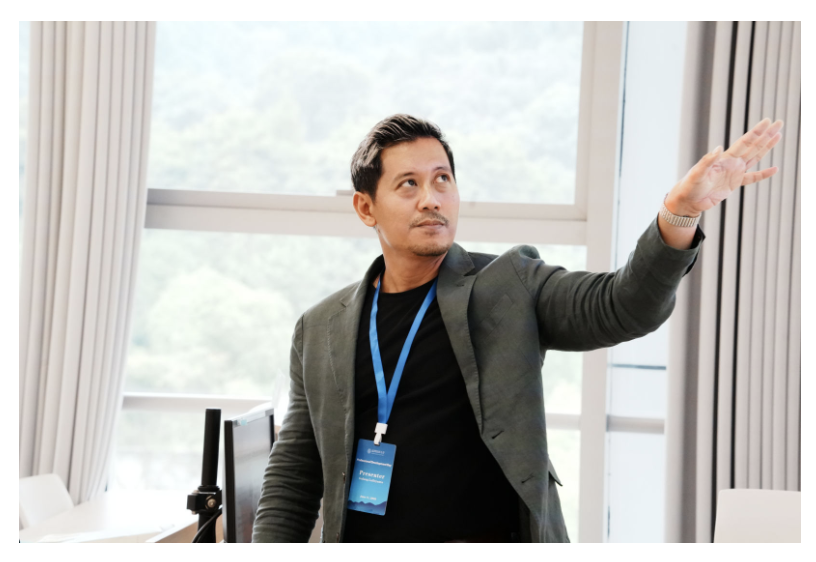
Dr. Galang Lufityanto from the College of Liberal Arts explored evidence-based solutions to curb prevalent academic misconduct, including plagiarism, collusion, and AI-assisted cheating. Drawing on a large-scale scoping review, he analyzed multi-level predictors and psychological mechanisms of student cheating. He introduced practical intervention strategies grounded in the Theory of Planned Behavior to foster academic integrity on campus.
For a full photo gallery from this Professional Development Day, please scan the QR code below. You may also follow the link provided to access the complete event coverage:

Should you have any concerns about the photos shared in this document, please feel free to contact us via email at any time.